
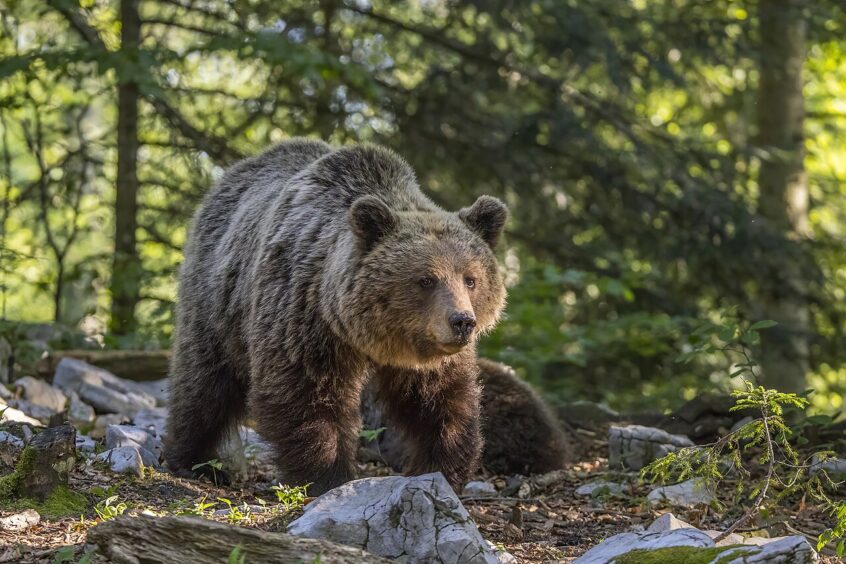
The Brown Bear (Ursus arctos) is a large bear from Eurasia and North America. They are often referred to as Grizzly bears and are one of the largest terrestrial members of the order Carnivora. In many European countries they are the national and state animal. Stats Geographical Distribution Continents: Biomes: Diet (Omnivorous) Fun Facts Learned something new? Share this page … Read More
Killer Whale
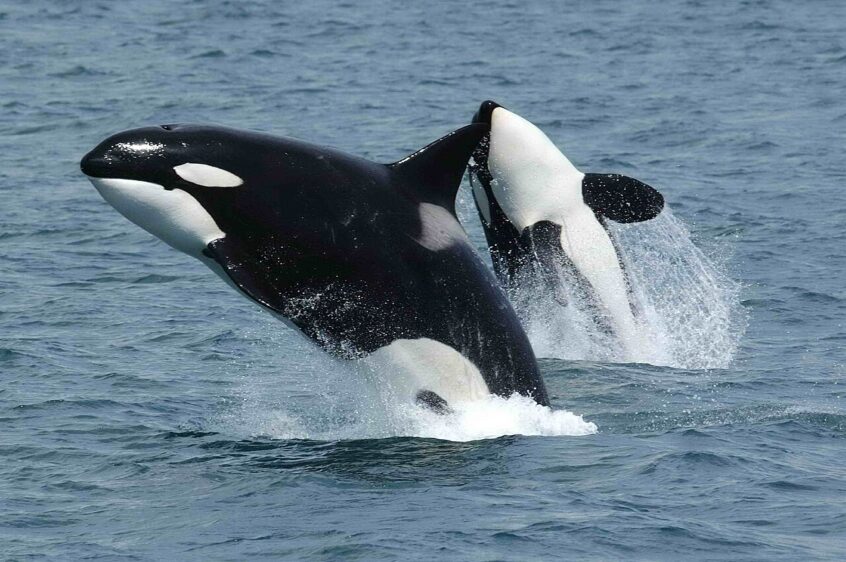
The Killer Whale or Orca (Orcinus orca) is the largest member of the dolphin family. It has sophisticated hunting techniques and vocal behaviors. They are featured in many indigenous mythologies. Stats Geographical Distribution Continents: Biomes: Diet (Carnivorous) Fun Facts Learned something new? Share this page with family and friends!
Red-eyed Tree Frog
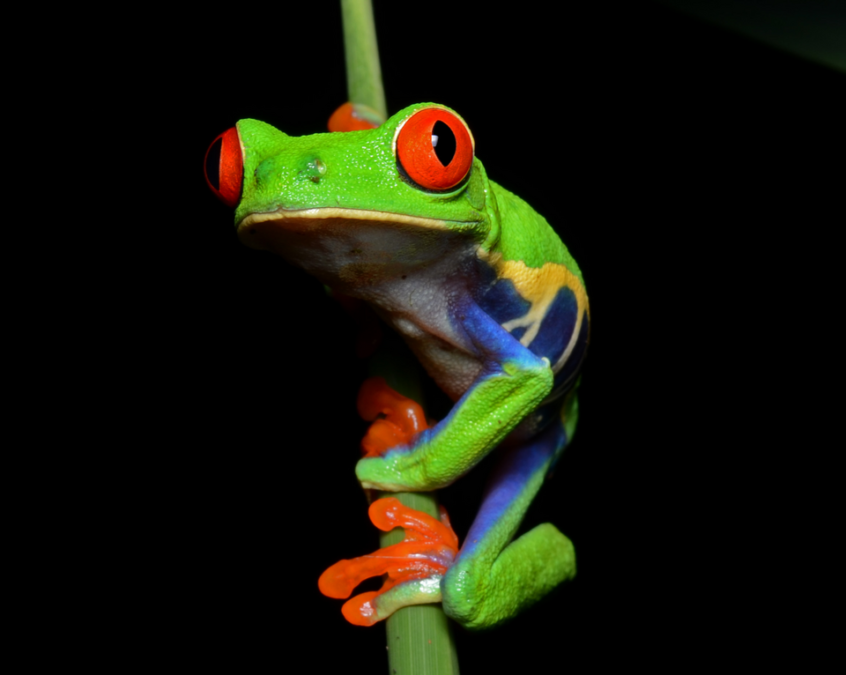
The Red-eyed Tree Frog (Agalychnis callidryas) is an arboreal frog from the rainforest. They are found in Mexico, Central America, and Colombia. It’s scientific name comes from Greek words that mean “beautiful” and “tree” or “wood nymph”. Stats Geographical Distribution Continents: Biomes: Diet (Carnivorous) Fun Facts Learned something new? Share this page with family and friends!
Monarch Butterfly
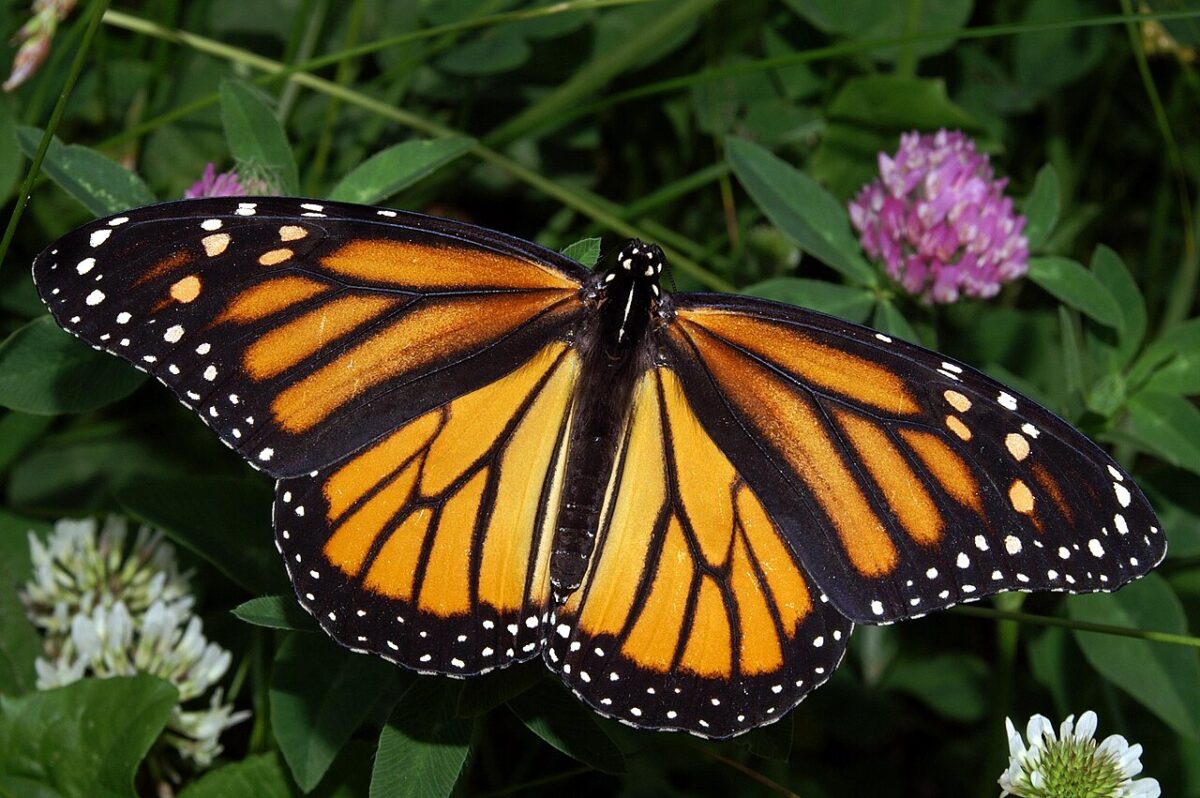
The monarch butterfly (Danaus plexippus) is a butterfly found in North America, South America, and Oceania. It is thought that its name was given to honor King William lll of England. The main color represents his secondary title Prince of Orange. Stats Geographical Distribution Continents: Biomes: Diet (Carnivorous) Fun Facts Learned something new? Share this page with family and friends!
Great White Shark
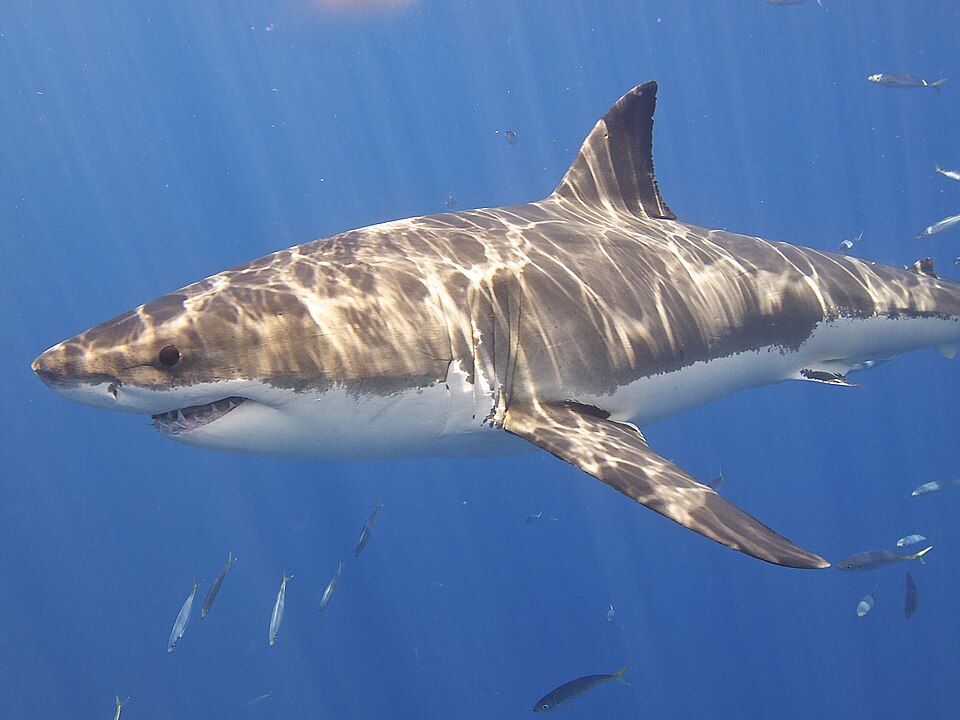
The great white shark (Carcharodon carcharias) is a large shark found in all the major oceans. They are most known for their great size. They can live to be 70 years old making them some of the longest living fish. Stats Geographical Distribution Continents: Biomes: Diet (Carnivorous) Fun Facts Learned something new? Share this page with family and friends!
Bald Eagle
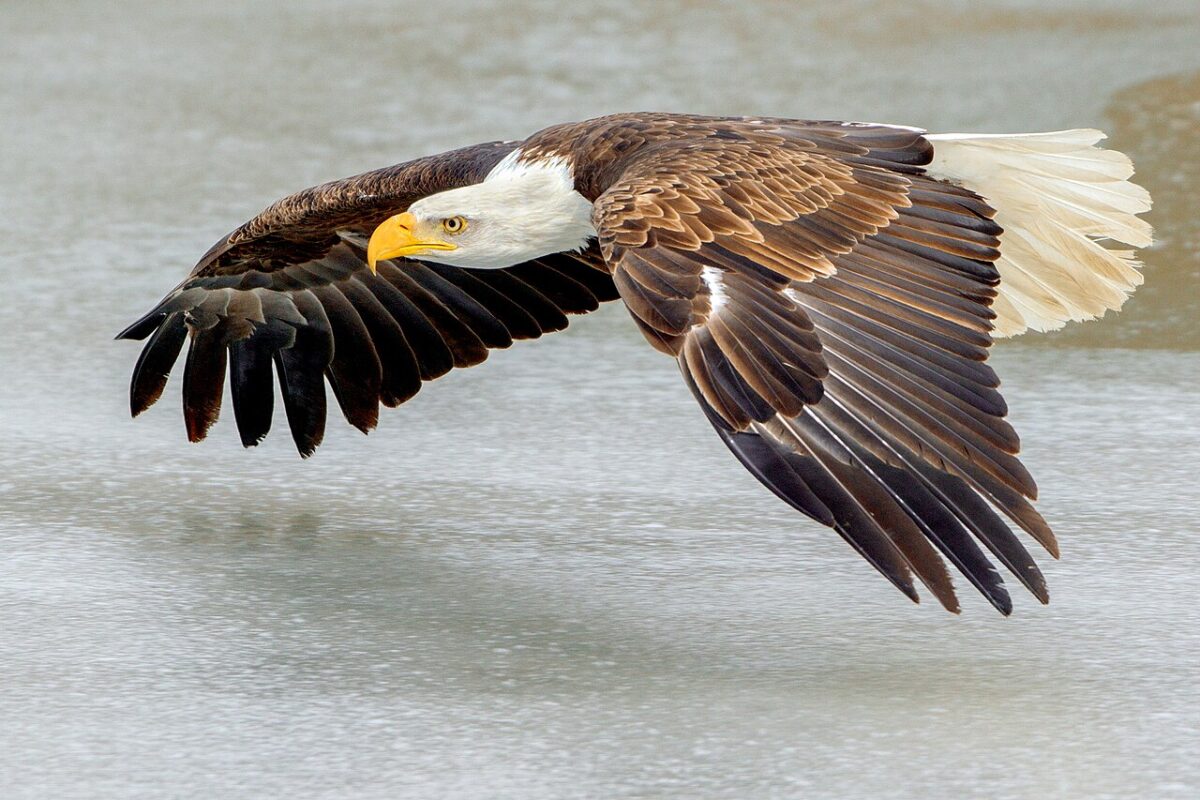
The Bald Eagle (Haliaeetus leucocephalus) is a bird of prey in North America. They are found near open bodies of water with abundant food supply and trees for nesting. The species almost went extinct but populations have recovered and they were taken off the U.S. government’s list of endangered species on July 12, 1995. Stats Geographical Distribution Continents: Biomes: Diet … Read More